Cruise Vacations Explained for First Time Travelers
In this article
A first cruise can feel refreshingly simple once the basics are clear. You book one vacation, unpack once, and wake up in new places without juggling hotels, rental cars, or repeated airport transfers. That built-in ease is a major reason cruise vacations appeal to first-time travelers across the United States.
They also reward preparation. New cruisers who sort out documents early, review health guidance, and learn embarkation day timing tend to board with confidence and settle into the experience much faster.
Why cruise vacations appeal to first-time travelers
Cruise vacations are structured in a way that lowers friction. Your room, dining, entertainment, and transportation between ports are bundled into one trip. That makes planning more manageable than many land-based vacations, especially for families, couples, and multigenerational groups trying to coordinate schedules and budgets.
There is also a practical advantage: cruises offer a broad sample of destinations without forcing travelers to commit an entire week to one city or resort. If you are not yet sure whether you prefer beach ports, historic towns, private islands, or sea days filled with onboard activities, a cruise gives you room to test your preferences.
For first-timers, a few benefits stand out:
- One unpacking for the full trip
- Predictable daily rhythm
- Dining and entertainment in one place
- Family-friendly and adult-focused options
- Wide range of departure ports in the United States
That said, simplicity does not mean travelers should book casually. The best first cruise usually comes from matching the ship, itinerary, and budget to the kind of vacation you actually want.
How first-time travelers should choose the right cruise vacation
Start with the experience you want, not just the lowest fare. A three-night getaway can be fun, but a five- to seven-night sailing often gives first-time cruisers a better introduction because there is time to settle in, learn the ship, and enjoy a mix of port days and sea days.
Departure port matters too. Sailing from a port you can reach with a direct flight, or even a drive, can reduce stress and protect your budget. Popular U.S. departure cities also make it easier to compare multiple lines and itineraries side by side.
When narrowing options, focus on these planning filters:
- Trip length: Short cruises are convenient; weeklong sailings usually feel less rushed.
- Departure port: A nearby U.S. port can cut travel costs and simplify embarkation day.
- Ship style: Large ships offer more attractions; smaller ships may feel calmer and easier to learn.
- Cabin type: Inside cabins save money; balcony cabins add private outdoor space and a more open feel.
- Travel pace: Port-heavy itineraries keep you moving; sea-day itineraries encourage rest.
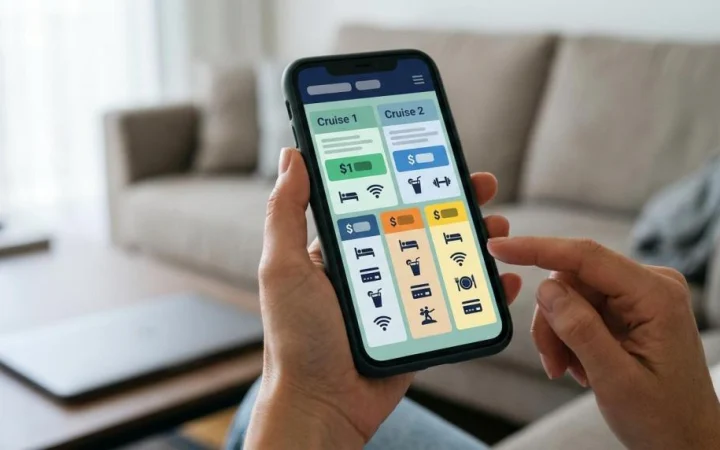
This is where cruise comparison tools become especially useful. Viewing real-time pricing and inventory across several sailings can help first-time travelers see whether a slightly different date, cabin category, or cruise line creates better value.
Cruise travel documents first-time passengers should prepare
Documents are one of the most misunderstood parts of a first cruise. Many travelers hear that a passport is not always required and assume any proof of citizenship will do. In narrow cases, that can be true. Yet official U.S. guidance is far more cautious.
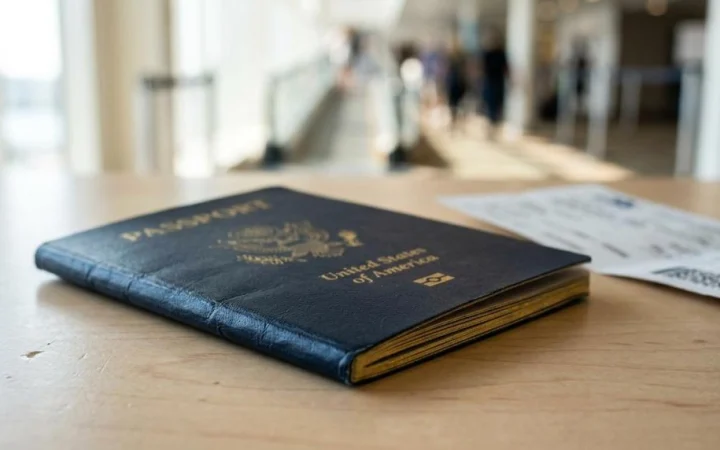
The U.S. Department of State strongly recommends that all cruise passengers travel with a passport book, even when a specific cruise line does not require one. The reason is simple: if an emergency forces you to leave the ship and fly home, a passport book is required for air travel back to the United States.
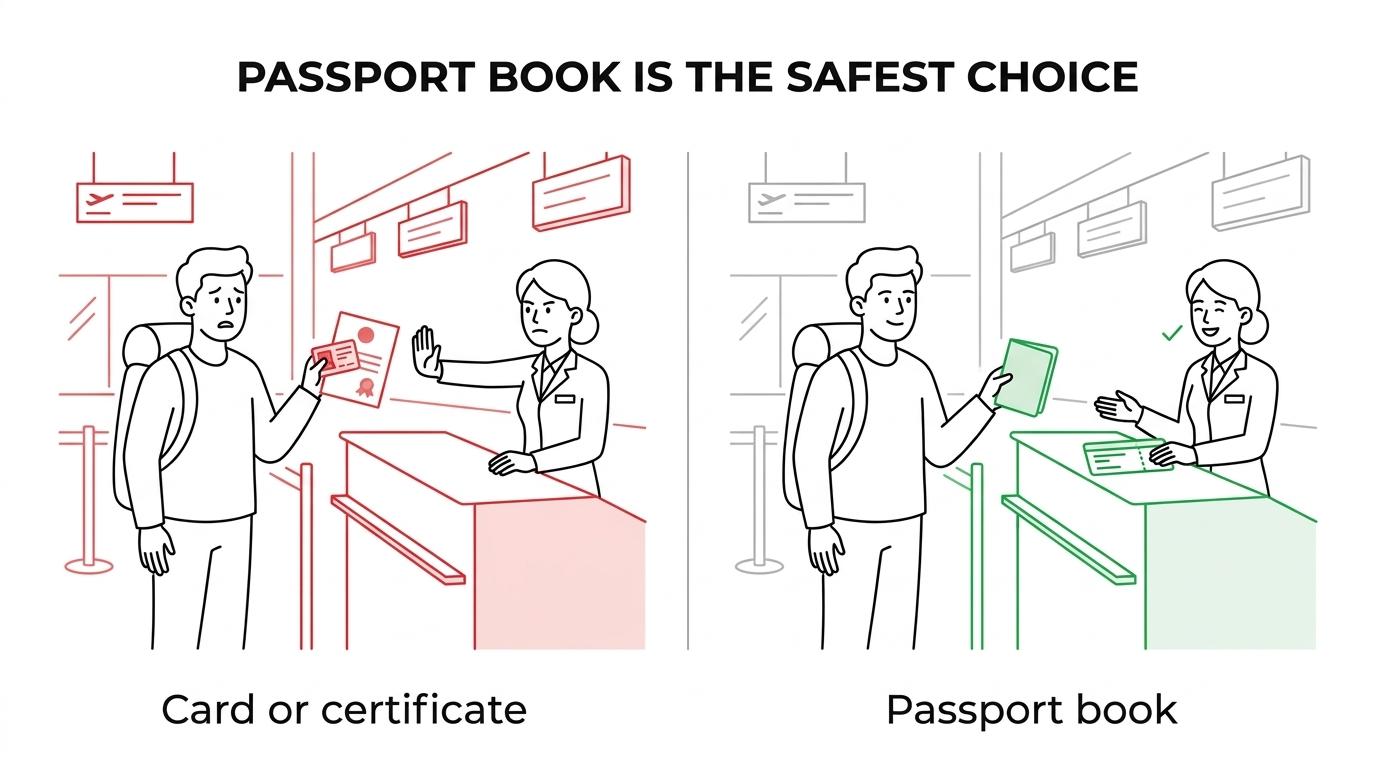
A passport card has limited use. It can help with reentry by sea at select ports from Mexico, Canada, Bermuda, and the Caribbean, but it is not a substitute for a passport book if you must return by air. U.S. Customs and Border Protection also notes that U.S. citizens on a closed-loop cruise may be able to use proof of citizenship, like a government-issued birth certificate, along with photo identification if age requirements apply. Even so, travelers should confirm entry rules with the cruise line and destination countries before departure.
The table below offers a practical snapshot.
| Document option | Works for some closed-loop cruises? | Works for return by air in an emergency? | Best use |
|---|---|---|---|
| Passport book | Yes | Yes | Best overall choice |
| Passport card | Limited | No | Sea reentry at select nearby ports |
| Birth certificate plus government photo ID | Sometimes | No | Backup only where specifically allowed |
A strong rule for first-timers is easy to remember: if you have time to get a passport book, get one.
Health preparation for cruise vacations
Health planning deserves the same attention as airfare and cabin selection. The CDC advises cruise travelers to schedule a health appointment four to six weeks before departure so they can review destination-specific vaccines, medicines, and travel advice. That timeline matters because some vaccines need time to become fully effective.
Cruise ships bring large groups of people together in shared dining rooms, theaters, elevators, and lounges. The CDC notes that this environment can facilitate person-to-person, foodborne, and waterborne transmission of communicable diseases. Gastrointestinal illnesses like norovirus and respiratory illnesses like influenza and COVID-19 are among the most commonly reported cruise outbreaks.
That does not mean cruising is unusually risky or something to fear. It means smart preparation is part of being a good traveler. The CDC says travelers who have not received the current seasonal influenza vaccine should get vaccinated at least two weeks before travel, assuming no contraindication exists. Bringing a copy of official immunization records is also advised.
A practical pre-cruise health checklist often includes:
- Vaccination review: Check routine vaccines and destination-specific recommendations several weeks before sailing.
- Travel health kit: Pack prescription medicines, motion sickness remedies, pain relievers, and basic stomach relief items.
- Hand hygiene plan: Carry sanitizer, wash hands often, and be attentive in buffet and high-touch areas.
- Medical records: Bring copies of prescriptions and immunization records.
- Travel insurance: Consider coverage for medical care, evacuation, delays, and cancellation.
Insurance deserves special mention. CDC travel guidance notes that travelers are often responsible for hospital and other medical expenses out of pocket at many destinations. For a first-time cruiser, insurance can turn an uncertain risk into a manageable one.
Embarkation day timing can shape the whole first cruise
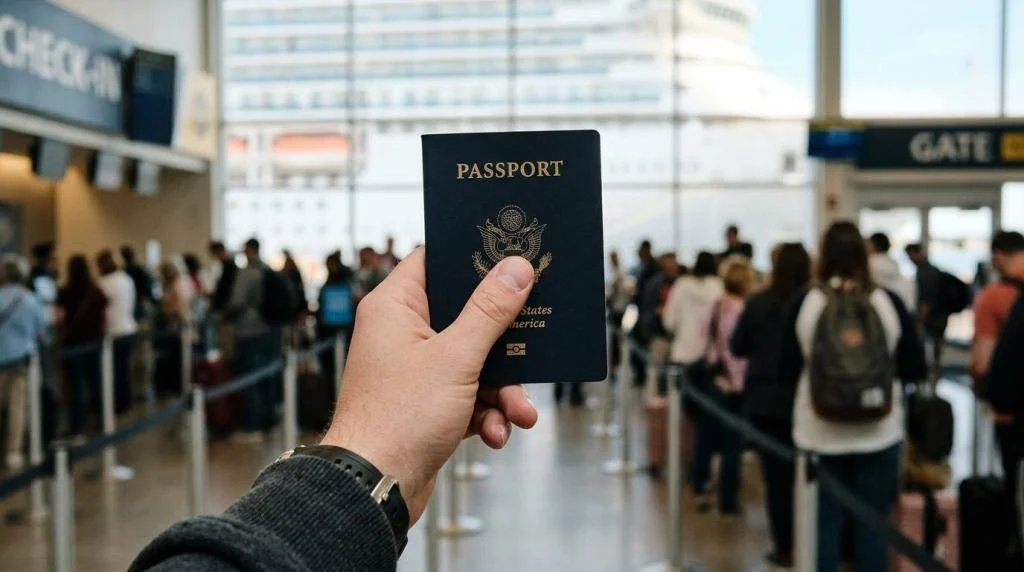
Embarkation is the first live test of your planning. It is exciting, busy, and usually more orderly than first-time travelers expect, provided they respect the timeline set by the cruise line.
Cruise-specific guidance commonly notes that passengers are generally allowed to board two or three hours before sailing. They also must typically be on the ship at least one hour before departure, with the gangway often pulled thirty minutes before sailing. Those are not loose suggestions. Missing that cutoff can mean missing the ship.
This is why flying in on the same day as your cruise is risky, especially if the port city is not within driving distance. A flight delay, lost luggage, or traffic jam can erase the margin you need. Arriving the day before embarkation is usually the calmer choice.
Your carry-on bag should hold the items you may need before checked luggage reaches your cabin:
- Travel documents
- Medications
- Phone charger
- Swimsuit
- A change of clothes
- Sunscreen
It also helps to label checked bags clearly and keep valuables with you rather than in luggage handed over at the terminal.
What first-time cruisers should expect once onboard
The first few hours onboard are often a blend of orientation and excitement. Cabins may not be ready immediately, and checked bags can arrive later in the afternoon. Use that early window to learn the ship’s layout, confirm dining details, and review the daily schedule in the cruise line’s app or printed planner.
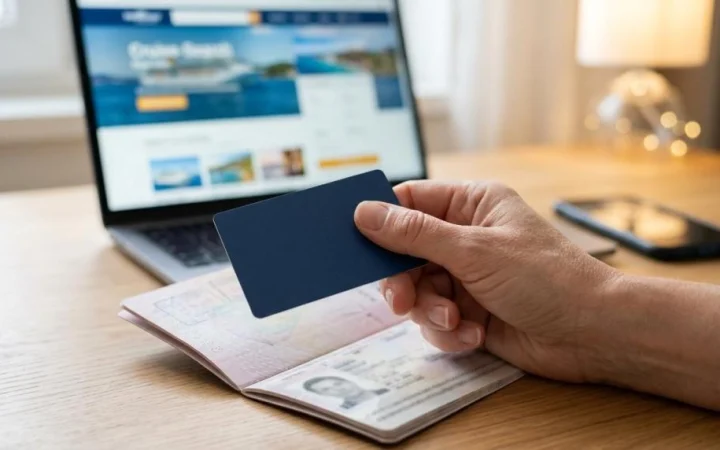
One of the most useful things to know is how onboard identification works. Many cruise lines issue a guest identification card at check-in. This card functions as your room key, your onboard ID, and the payment method for onboard charges. In other words, the card becomes your daily passport within the ship.
That small system makes life onboard very easy, but it also means you should build a habit of carrying the card whenever you leave your cabin. You will likely use it constantly: entering your room, making purchases, checking in for excursions, and leaving or reentering the ship in port.
Cruise budgeting for first-time travelers
A first cruise can be a strong value, though the base fare is only part of the cost. Travelers should look at the full picture: gratuities, specialty dining, shore excursions, Wi-Fi, beverages, parking, flights, hotels before embarkation, and travel protection.
This is where comparing sailings side by side can save real money. One itinerary may look cheaper at first glance but become more expensive after airfare, transfers, or added onboard costs. Another sailing from a different U.S. port may provide a better overall total.
Timing also matters. Last-minute cruise pricing can sometimes drop close to departure, which may create attractive deals for travelers with flexible schedules. That approach works best for people who can travel on short notice and who do not need specific cabin locations, school-break dates, or complicated flight arrangements. First-time cruisers with fixed schedules often do better booking earlier and choosing carefully.
Simple habits that make a first cruise smoother
New cruisers often assume the biggest decisions happen before booking. In reality, a few simple habits during the trip can shape the experience just as much.
Arrive early enough to feel unrushed. Keep your phone on ship time. Read the daily schedule each evening. Wash your hands often. Return to the ship well before the all-aboard time in port, not at the last minute. Those small choices create a trip that feels easy rather than frantic.
Cruise vacations reward preparation with unusual efficiency. Once the documents are in order, your health planning is done, and embarkation day is mapped out, the rest of the trip opens up in a very pleasant way: more time to relax, more confidence moving around the ship, and more freedom to enjoy why people love cruising in the first place.