Cruise Packing Checklist for First Time Cruisers
A practical cruise packing checklist for first time cruisers: documents, cabin gear, port-day essentials, dress codes, and the banned items that get flagged.
In this article
Pack your cruise in four buckets: documents and money, clothing for ship and shore, cabin comfort items the ship does not supply, and the small category of things cruise lines will confiscate at the terminal. If you handle the first and last buckets correctly, everything else is adjustable; you can buy sunscreen in St. Thomas, but you cannot buy a birth certificate in Miami at 11:30 a.m. on sailing day.
This checklist is organized the way you will actually pack: paperwork first, then the carry-on that stays with you, then the main suitcase, then the category-specific extras (Alaska, formal nights, kids, scuba). Work through the boxes in order. Most first-time cruisers overpack clothes and underpack the boring stuff: a power strip without surge protection, motion sickness remedies, a lanyard, and cash in small bills.
Start Here: The 10-Minute Document Check
Everything in this section is a trip-ender if you get it wrong. Do this section at least three weeks before sailing, not the night before.
Travel documents
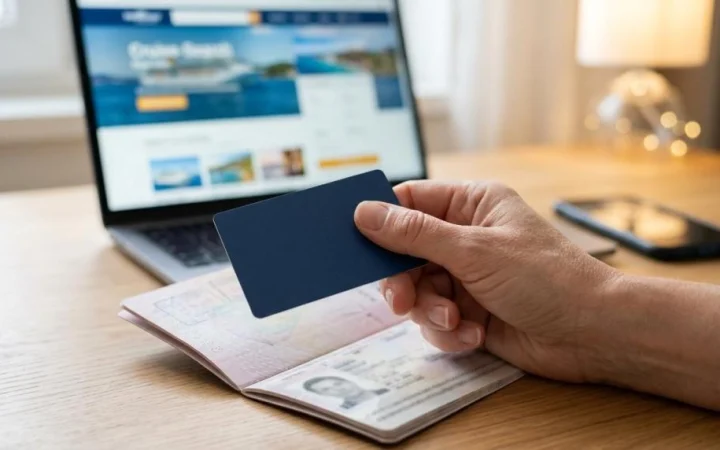
- Confirm which document your specific itinerary requires. A closed-loop sailing (leaves and returns to the same U.S. port) has different rules than a one-way or foreign-embarkation cruise. U.S. Customs and Border Protection publishes the governing rules, and we broke them down itinerary by itinerary in Do You Need a Passport for a Cruise?. Read that before you assume your driver's license is enough.
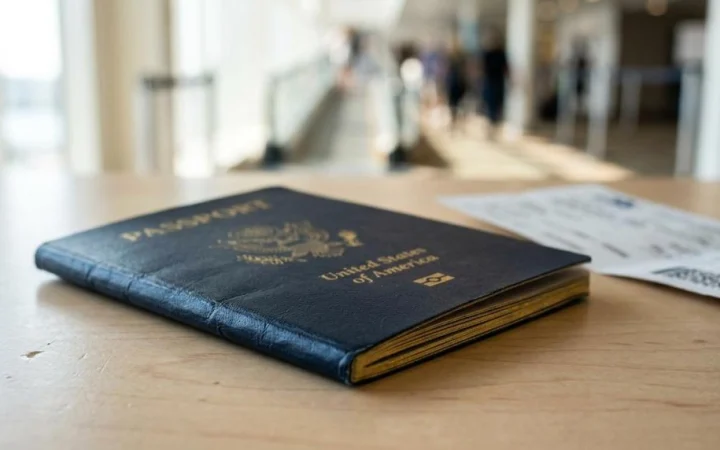
- Check your passport expiration date against your return date. Many countries require validity beyond your travel dates, and some cruise lines apply a six-month buffer as a blanket policy regardless of the destination. The U.S. State Department's travel.state.gov country pages list entry requirements per destination.
- Verify the name on your booking matches your document exactly. Middle names, hyphens, maiden names, and "Bob" versus "Robert" cause real problems at check-in. Call the cruise line or your booking agent to fix mismatches; most lines can correct minor spelling before final payment without a fee.
- Print your boarding pass / eDocs and luggage tags. Yes, the app works. Print anyway. Terminal Wi-Fi is unreliable and a dead phone at the pier is a slow problem to solve.
- Attach luggage tags before you leave home if your line pre-issues them. Royal Caribbean, Carnival, and Norwegian all distribute printable tags in the online check-in flow. Fold, staple or tape them around the suitcase handle. Porters will not hunt for a cabin number.
- Bring a second form of photo ID separate from your passport. If your passport goes in the cabin safe, you still want ID for port-day purchases or an emergency.
- Pack visas where required. Some Asia, Middle East and South America itineraries require pre-arranged visas or e-visas even for a day call. Our Southeast Asia cruise in January guide covers which ports typically handle this at the gangway and which do not.
- Carry the minor's documentation if you are traveling with a child who is not yours. A notarized letter of consent from the absent parent or legal guardian is standard practice; airlines and border agents can and do ask.
Money and insurance
- Notify your bank and card issuer of travel dates. Fewer banks require this than a decade ago, but a frozen card in Cozumel is a bad afternoon.
- Bring one backup card stored separately from your wallet. Different network if possible: a Visa and a Mastercard, not two Visas.
- Pack $100 to $200 in small U.S. bills. Ones and fives for crew tips, taxi drivers, and local markets. Most Caribbean ports accept USD; change arrives in local currency, which is the usual way travelers end up with pesos they will never use.
- Print your travel insurance policy number and the 24-hour assistance phone line. If you need it, you will likely need it when your phone is dead or out of signal. A paper copy in the carry-on costs nothing.
- Screenshot or print your deck plan and muster station. Nice to have on day one when 3,000 people are learning the ship at once.
Health documents
- Bring prescriptions in original labeled bottles with enough supply for the full trip plus three to five extra days. Ships carry a medical center, but not your specific medication, and onboard pricing is not the pharmacy counter at home.
- Carry a written list of medications, dosages and allergies. One index card. The ship's doctor will thank you.
- Check whether your destination has vaccination recommendations. The CDC maintains destination pages at wwwnc.cdc.gov/travel with current guidance.
The Carry-On Bag: Day One Survival Kit
Video: "Ultimate Cruise Packing List" — Royal Caribbean Blog (YouTube)
Here is the single most useful thing a first-time cruiser can know. Your checked bags are handed to a porter at the pier, and they are delivered to your cabin door hours later, often between 3 p.m. and 8 p.m. Your cabin itself may not be ready until early afternoon. So between boarding at 11 a.m. and bags arriving at 6 p.m., you have only what is on your shoulder.
Pack this bag assuming you will be living out of it for six hours in a swimsuit-and-buffet environment.
- Swimsuit and a cover-up. The pools open before the bags arrive. This is the number one "I wish I had known" item.
- All medications. Never, ever check prescriptions. If the bag goes missing or arrives at 9 p.m., you want them with you.
- Passport, IDs, boarding documents, cash and cards. Obvious, but people have genuinely packed passports into a checked suitcase handed to a porter.
- Phone, charger and a battery pack. Terminal waits plus a day of photos will drain a phone.
- A change of clothes and clean underwear. In case bags are delayed or go to the wrong cabin.
- Motion sickness remedy, taken before you feel sick. Dramamine, Bonine, or a patch prescribed by your doctor. Preventive dosing works far better than treatment after the fact.
- Sunglasses and a hat. Sail-away on an open deck is sunnier than people expect.
- Any wine or champagne your line permits (see the allowances section below). Glass should never be checked.
- A refillable water bottle, empty. Fill it after security. Most ships have water stations near the buffet.
- Chargers for anything else you brought, plus the small essentials pouch: contact solution, toothbrush, deodorant.
Clothing: How Much Is Actually Enough

Photo: Familydestinationsguide.com Images · BY
The honest formula for a 7-night warm-weather cruise, per adult:
| Item | 7-night warm-weather count | Notes |
|---|---|---|
| Swimsuits | 2 | One dries while you wear the other |
| Shorts / casual bottoms | 3 to 4 | Rewear is normal and nobody notices |
| T-shirts / casual tops | 5 to 6 | Add one if you sweat easily |
| Evening outfits | 3 to 4 | Rotate across 7 dinners; nobody tracks |
| Formal / dressy outfit | 1 to 2 | Depends on line and sailing length |
| Underwear and socks | 8 pairs | The one thing worth overpacking |
| Shoes | 3 pairs | Walking, sandals/flip-flops, dressy |
| Light jacket or wrap | 1 | Ships run the A/C cold |
| Workout clothes | 2 sets | Only if you will genuinely use the gym |
Three pairs of shoes is the number that trips people up. Shoes are heavy and bulky, and four or five pairs is how a suitcase hits the airline weight limit. Pick a walking shoe you can wear in port all day, a sandal or flip-flop for pool and deck, and one dressier pair.
Cruise line dress codes, plainly
Dress codes have loosened considerably across the industry, but they still exist in the main dining room and they differ by line. Check your specific cruise line's website under "what to wear" or "dress code," because the policy is published and the terminology is line-specific.
- Mass-market lines (Carnival, Royal Caribbean, Norwegian) generally use a casual default with one or two "formal," "elegant," "dress your best" or "chic" nights on a 7-night sailing. Norwegian's Freestyle Cruising concept has the loosest published standard of the big three.
- Premium lines (Princess, Holland America, Celebrity) keep slightly more structure, usually two formal nights on a week-long voyage.
- Luxury and expedition lines vary widely; some are more formal, some are deliberately casual.
What almost every line publishes as a shared rule: no swimwear, tank tops, cut-offs, or bare feet in the main dining room at dinner. Buffet and casual venues are relaxed throughout.
- Look up your line's published dress code for the number of formal nights on your exact sailing length.
- Decide now whether you will do formal night. You can skip it entirely and eat at the buffet or a specialty restaurant. If you do participate, one outfit worn twice is completely normal.
- Pack one layer for every day you will be indoors. Theaters, dining rooms and casinos are aggressively air-conditioned on nearly every ship.
Laundry changes the math
- Check whether your ship has self-service launderettes. Carnival, Princess and Holland America are known for having guest laundry rooms on many ships; Royal Caribbean and Norwegian generally do not and instead sell wash-and-fold or bag specials. Confirm on your line's site for your specific ship.
- If laundry is available, cut your clothing count by about a third on sailings of 10 nights or longer. Wash-and-fold bag promotions on many lines are priced as a flat rate for a stuffed bag, which often beats checking a second suitcase.
- Bring a few laundry pods and a collapsible hamper if you plan to use a self-serve machine.
Cabin Comfort: What Ships Do Not Supply
Cruise cabins are efficient, which is the polite word for small. Standard inside and balcony staterooms on most mass-market ships run roughly 150 to 200 square feet. Storage is vertical and the outlets are few.
Power and electronics
- Bring a non-surge-protected power strip or a USB charging cube. This is the detail that gets luggage flagged. Surge-protected strips are prohibited on essentially every major line because of the ship's electrical grounding system. Carnival, Royal Caribbean and Norwegian all list surge protectors on their published prohibited-items pages. Buy a cruise-approved, non-surge strip or a multi-port USB charger.
- Check your cabin's outlet types. North American ships usually offer 110V U.S. outlets plus 220V European outlets. Older ships may have two outlets total for the entire room.
- Pack a long charging cable, 6 to 10 feet. Outlets are often at the desk, and the bed is not.
- Bring a portable battery pack for long port days.
- Consider a cheap pair of walkie-talkies or rely on the ship's app chat. Most lines now sell onboard messaging through their app for a flat fee per person per voyage; check current pricing in your line's app. Cell service does not work at sea without an expensive maritime roaming plan.
Space and organization
- Over-the-door shoe organizer. The single most recommended cruise hack for a reason: it turns the back of the bathroom door into storage for sunscreen, meds, sunglasses and small items.
- Magnetic hooks. Cabin walls and ceilings are steel on most ships. Hooks hold hats, lanyards, wet swimsuits and the daily program.
- A few strong clips or clothespins. For securing beach towels to deck loungers in the wind.
- Collapsible duffel or packing cube set. Cubes make unpacking into a tiny closet fast; a collapsible bag carries home souvenirs.
- A small nightlight. Interior cabins are genuinely pitch dark; balcony cabins have blackout curtains that work.
- Highlighter or small notebook for marking up the daily schedule.
Bathroom and toiletries
Most lines supply bar soap and a wall-mounted shampoo/body wash dispenser. Many supply a small bottle of conditioner or lotion in higher categories. Assume you must bring everything else.
- Your own shampoo and conditioner if you care about hair products.
- Razor, shaving cream, toothpaste, toothbrush, floss.
- A hair dryer only if you need power. Cabins typically include a low-wattage dryer in the vanity drawer; it is weak. Travel dryers are permitted on most lines but high-wattage styling tools can trip breakers.
- Sunscreen, reef-safe if you will snorkel. Hawaii and several Caribbean destinations restrict oxybenzone and octinoxate sunscreens. Onboard sunscreen typically costs noticeably more than drugstore pricing.
- Aloe or after-sun gel. Easier than buying it sunburned.
- A small first-aid kit: bandages, antiseptic, ibuprofen, antacid, anti-diarrheal, antihistamine, blister pads.
- Hand sanitizer. Ships push this hard at every dining entrance for norovirus prevention. Bring your own for port days.
- A travel-sized stain remover pen. One red wine spill, one formal photo.
Port Days: The Shore Excursion Bag
- A day bag that closes securely. Crossbody with a zipper is the standard advice for crowded ports.
- Your cruise card or ship ID. You cannot reboard without it. Keep it in a waterproof pouch.
- A photo of your passport on your phone plus a paper copy, in case you leave the original in the safe.
- The ship's port agent phone number and all-aboard time. The all-aboard is printed on the daily program and on the gangway sign. It is typically 30 to 60 minutes before departure. Ships leave people behind; this is not a myth.
- Small bills for tips and vendors.
- Reusable water bottle, filled before leaving the ship.
- Water shoes if your itinerary includes rocky beaches or river tubing. Many Caribbean and Alaska excursions list them as recommended gear.
- A dry bag or waterproof phone pouch for catamaran, snorkel and kayak excursions.
- Your own snorkel mask if you snorkel more than once a year. Rental masks often fit poorly and the per-excursion rental fee adds up.
- Bug spray for jungle, rainforest and Central America shore days.
- A packable rain jacket for tropical itineraries in shoulder season. Afternoon showers in the Caribbean often pass quickly but arrive with little warning.
Destination-specific port gear
| Destination | Add to the bag |
|---|---|
| Alaska | Waterproof shell, fleece mid-layer, warm hat, gloves, binoculars, waterproof boots |
| Caribbean / Bahamas | Reef-safe sunscreen, water shoes, snorkel gear, rash guard for kids |
| Mediterranean | Shoulder-covering wrap for churches, comfortable walking shoes, foldable sun hat |
| Panama Canal | Binoculars, strong sun protection for long deck hours, light long sleeves |
| Northern Europe / Baltic | Layers, compact umbrella, walking shoes rated for cobblestone |
| Middle East / Dubai | Modest clothing for mosques and some public spaces, high-SPF, light long sleeves |
If you are sailing a Panama Canal itinerary, note that a full transit means a very long day on deck in direct sun, which is a different packing problem than a partial transit. We compare the two in Panama Canal Cruise in Winter: Full vs Partial Transit. For a winter Gulf itinerary, our Dubai cruise in winter guide covers what the dress expectations actually look like in port.
Food, Drink and What You Can Carry Aboard
This is the section where rules vary the most by line, so verify yours on the cruise line's own site before you pack a bag of cans.
Alcohol allowances (check your line's published policy)
- Look up your line's wine policy. As of their published guest-conduct and FAQ pages, Royal Caribbean, Carnival, Princess, Celebrity and Holland America each allow a limited amount of wine or champagne brought aboard at embarkation, commonly one bottle per adult of drinking age, sometimes with a corkage fee if consumed in a dining venue. Norwegian's published policy applies a corkage fee per bottle. Exact bottle counts and fees change, so read the page, not a forum post.
- Do not pack liquor. Spirits are prohibited on every major mainstream line and will be confiscated at the terminal scanner, held until the last night, or discarded. Security x-rays every bag.
- Check the non-alcoholic beverage allowance. Carnival's published policy permits a limited quantity of canned or cartoned non-alcoholic drinks in carry-on; Royal Caribbean permits a small quantity of non-alcoholic beverages in sealed containers. Bottled water in large quantities is restricted on several lines.
- Decide on a drink package before you sail, not at the bar. Packages are frequently cheaper in the pre-cruise planner than onboard. Whether the math works depends entirely on your drinking rate; we walk through the break-even arithmetic in Is a Cruise Drink Package Worth It?
Snacks
- Pack sealed, packaged snacks if you have dietary restrictions or kids. Most lines permit commercially sealed, non-perishable food.
- Do not pack homemade or fresh food. Fresh produce, meat and homemade items are prohibited for public health and agricultural reasons, and customs rules at foreign ports apply too.
Prohibited Items: What Gets Confiscated
Every major line publishes a prohibited items list. They overlap heavily. Read yours, but here is the consensus set that catches first-timers off guard.
- Surge-protected power strips and extension cords with surge protection. Prohibited industry-wide, and one of the most commonly confiscated items at the terminal.
- Irons, steamers and travel steamers. Fire risk. Nearly universally banned. Ships offer laundry and pressing services, and self-serve launderettes on some lines include an iron in a supervised room.
- Candles, incense and anything with an open flame.
- Hot plates, coffee makers, electric kettles, hot pots. Policies vary slightly; some lines permit a kettle in accessible cabins on request.
- Drones. Most lines permit you to bring one but prohibit flying it from the ship or in port. Several ports and countries ban them outright with real penalties.
- Weapons of all kinds, including pocket knives above a small blade length, multi-tools with blades, firearms, ammunition, and self-defense sprays.
- Hoverboards and e-scooters with lithium batteries. Banned broadly after fire incidents.
- Illegal drugs, including cannabis. This includes products legal in your home state. Ships operate under maritime and flag-state law, and ports apply their own. This is a disembarkation-level problem.
- CBD products. Several major lines explicitly list CBD as prohibited even where legal onshore.
- Large quantities of balloons, confetti, glitter on some lines; decoration policies for cabin doors vary.
Health, Motion Sickness and Staying Comfortable
- Decide your seasickness strategy before you board. Options range from over-the-counter Bonine or Dramamine to scopolamine patches by prescription to ginger chews and acupressure bands. The CDC's travelers' health pages cover motion sickness basics. Take preventive medication the night before or the morning of sailing.
- Book a midship, lower-deck cabin if you are prone to motion sickness. This is a booking decision, not a packing one, but it matters more than any remedy. The pivot point of the ship moves least.
- Pack a thermometer and basic cold medicine. Medical center visits carry a consultation fee that is charged to your onboard account, and it is not cheap.
- Bring extra contact lenses and a backup pair of glasses. Optical shops are not a ship amenity.
- Pack blister prevention for port-heavy itineraries. A Mediterranean or Northern Europe cruise can mean 15,000 steps a day on uneven stone.
- Bring earplugs. Cabins near the elevator bank, the theater, the pool deck or a crew area can be loud.
- Consider a sleep mask. Balcony curtains leak light at dawn on eastbound sailings.
Traveling With Kids
- Pack more swimsuits than you think. Three per child minimum. Kids live in them and they do not dry fast in a humid cabin.
- Bring rash guards. Easier than reapplying sunscreen every ninety minutes.
- Check the kids' club swim diaper policy. Most ships prohibit swim-diaper-age children from main pools entirely and provide splash areas instead. Policies are published on each line's family pages.
- Register children for the youth program during online check-in. Lines like Royal Caribbean's Adventure Ocean and Carnival's Camp Ocean use a pre-registration flow that saves a long line on day one.
- Pack a few familiar snacks and a night light.
- Bring a lightweight stroller if you have toddlers for long gangways and port walks.
- Bring a thermometer and children's dosing of fever reducer.
- Pack entertainment for sea days and flights: tablet with downloaded content, headphones, a deck of cards, small activity books.
- Consider a holiday sailing's crowd level before you pack. Peak-week sailings mean longer lines and fuller kids' clubs. Our breakdown of a Royal Caribbean 4th of July cruise gives a sense of what a packed-holiday onboard day feels like, and the new Disney Believe sailing from Fort Lauderdale is worth a look if you are shopping family-first ships.
The "Leave It Home" List
Overpacking is the default failure mode. Here is what consistently goes unused.
- Leave the beach towels. Nearly every mainstream ship issues pool towels at no charge, and most allow you to take them ashore. Check your line; a few charge a fee for unreturned towels.
- Leave the hair dryer unless you have thick hair and strong opinions. Cabins typically include one.
- Leave the iron or steamer. It will be confiscated. Hang clothes in the bathroom during a hot shower instead, or pay for pressing.
- Leave the full-size toiletry bottles. Ship cabins have no counter space. Decant.
- Leave the heavy coffee table book. You will not read it. Load an e-reader.
- Leave the fourth and fifth pairs of shoes.
- Leave expensive jewelry. Cabin safes are small and basic, and port pickpocketing is a real risk in a handful of destinations.
- Leave the surge protector. Said three times because it is confiscated that often.
- Leave binoculars behind on a pure Caribbean beach itinerary. Bring them for Alaska, Norway and canal transits where they genuinely earn their space.
- Leave the snorkel gear home if you will snorkel once. Rent it. Bring your own if you will use it three or more times.
Packing Logistics and Airline Limits
- Weigh your checked bag at home. Most U.S. carriers cap checked bags at 50 pounds before overweight fees apply, and overweight fees can be steep. An inexpensive luggage scale pays for itself once.
- Use packing cubes. They do not create space, but they make a 180-square-foot cabin livable because you can unload a cube into a drawer in one motion.
- Roll casual clothes, hang formal clothes. Bring six to eight of your own slim hangers; cabin closets rarely have enough.
- Put one full outfit in your partner's suitcase and vice versa. Insurance against one delayed bag.
- Pack a collapsible tote for the trip home. Souvenirs, duty-free bottles and dirty laundry need somewhere to go.
- Bring a laundry bag or large trash bag to separate dirty from clean in a tight cabin.
- Leave 10 to 15 percent of the suitcase empty on the outbound leg.
Timeline: When to Do What
8 to 12 weeks out
- Verify passport validity and apply or renew if needed. Renewal processing times vary; check current estimates on travel.state.gov.
- Confirm visa requirements for your itinerary.
- Buy travel insurance (coverage for pre-existing conditions typically requires purchase shortly after your initial deposit).
4 to 6 weeks out
- Complete online check-in the moment it opens. Earlier check-in usually means earlier boarding group.
- Book shore excursions, specialty dining and the drink package in the pre-cruise planner, where prices are often lower than onboard.
- Refill prescriptions for the full trip plus a buffer.
- Read your cruise line's published prohibited items list.
2 weeks out
- Print boarding documents and luggage tags.
- Buy sunscreen, motion sickness remedies, batteries and any gear.
- Notify bank and card issuers.
- Pull cash in small bills.
3 days out
- Lay everything out, then remove roughly 20 percent of the clothing.
- Weigh the bag.
- Charge every battery pack and device.
Day before
- Pack the carry-on bag last so swimsuit and medications are on top.
- Attach luggage tags.
- Screenshot your boarding documents, deck plan and port agent numbers.
A Few Notes on Timing Your Booking
Packing is the last 5 percent of cruise planning. The larger money decisions happen earlier: which month you sail, how long the itinerary runs, and whether a repositioning voyage fits your schedule.
Fares in the Caribbean swing meaningfully by month, and the cheapest windows are predictable rather than random; we mapped them out in Cheapest Month to Cruise the Caribbean. If you have flexible dates and do not mind a one-way itinerary with extra sea days, repositioning cruises often deliver some of the lowest per-day costs in the industry, with the trade-off being a one-way flight home and a packing list that needs two climates instead of one.
If you want a second set of eyes on fares, cabin categories or whether a specific sailing is priced well for its date, BestCruiseRates.com provides free personalized cruise quotes by request or phone. There is no cost to compare before you commit.
The One-Page Version
If you only remember five things:
- Carry on your medications, swimsuit, documents and chargers. Checked bags arrive hours after you board.
- Confirm your document requirements for your exact itinerary, not your friend's.
- Non-surge power strip, over-the-door organizer, magnetic hooks. Three cheap items that fix the cabin.
- Three pairs of shoes, two swimsuits, and about four evening outfits for a week. Nobody is counting your repeats.
- Read your cruise line's published prohibited items list once. Five minutes saves a confiscated steamer and a confiscated surge protector.
Pack the boring stuff well and the fun stuff loosely. You will be fine.